
Which types of shipping containers are available, and which one is best for your cargo?
From a standard dry van container to reefer containers, flat racks and tank containers, there are many container types for different transport and storage needs. On this page, we explain the most common types of shipping containers, their dimensions, typical cargo, key advantages and limitations, so you can quickly identify the right solution for your business.
Need direct advice?
Call +31 (0)10 123 4567 or email [email protected] for a fast quotation, personal advice and worldwide delivery.
What is a dry van container?
The dry van container is the most widely used shipping container worldwide. For many companies, this is the standard choice for general cargo that does not require temperature control and fits within standard container dimensions.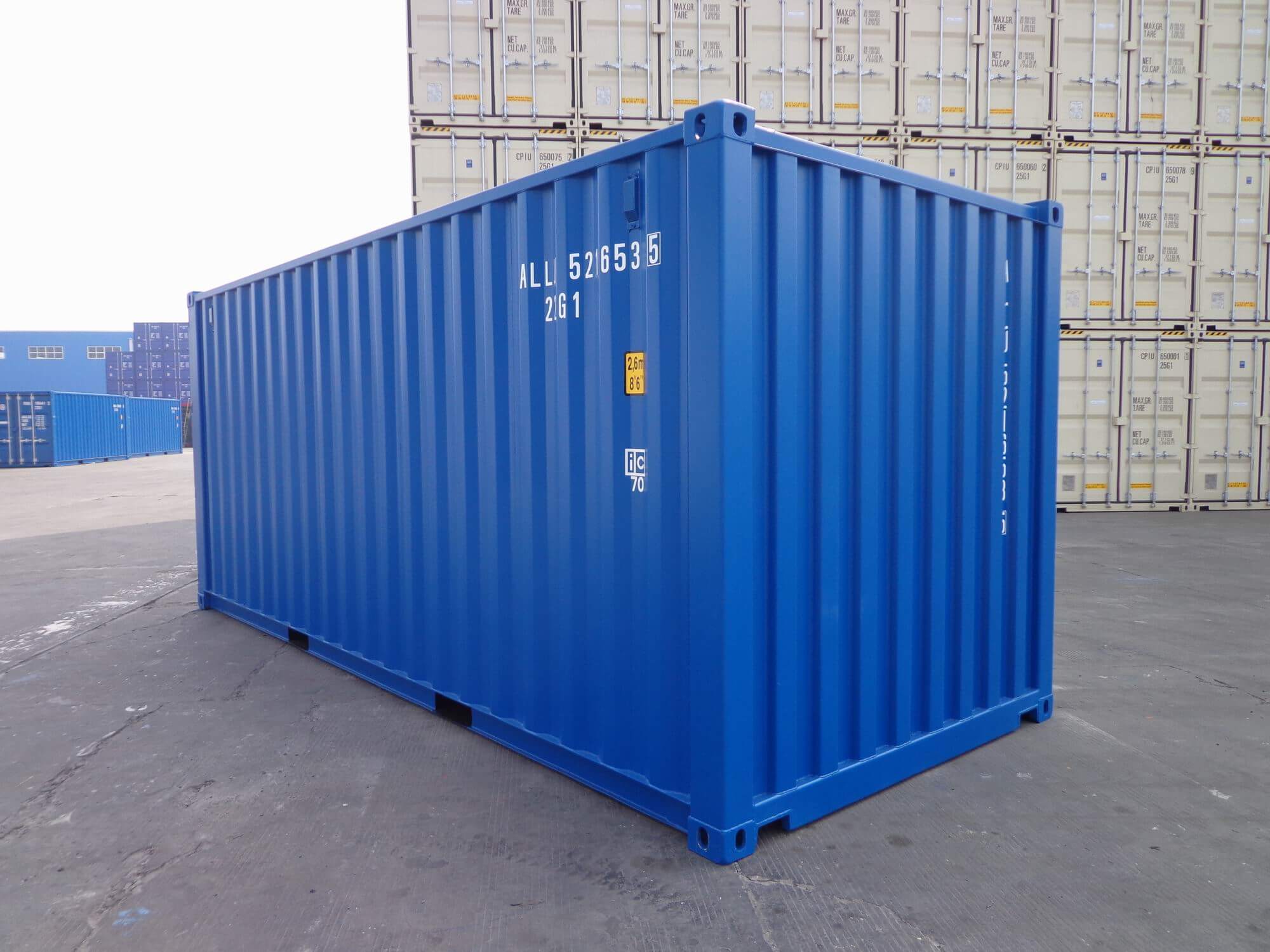
Dry van containers are usually manufactured from corten steel and are built to protect cargo against weather, theft and damage during transport. They are commonly available in 10ft, 20ft and 40ft sizes, with high cube variants offering extra internal height.
- Typical sizes: 10ft, 20ft, 40ft, 40ft high cube
- Typical cargo: consumer goods, boxed cargo, dry bulk, machinery parts, retail products
- Main advantages: versatile, cost-efficient, easy to source worldwide
- Limitations: not suitable for temperature-sensitive or oversized cargo
Typical sectors: retail, manufacturing, wholesale, industrial supply chains.
Alconet supplies dry van containers from its Rotterdam depot network and supports customers with both standard stock and worldwide delivery options.
What is a reefer container?
After the dry van, reefer containers are among the most important container types in global transport. A reefer container, or refrigerated container, is equipped with an integrated cooling unit that maintains a stable temperature throughout transport and storage.
In addition to the machinery itself, the container interior is designed to distribute cooled air efficiently. Most reefer containers feature a T-floor system, allowing air to circulate beneath the cargo so products are cooled evenly from multiple directions.
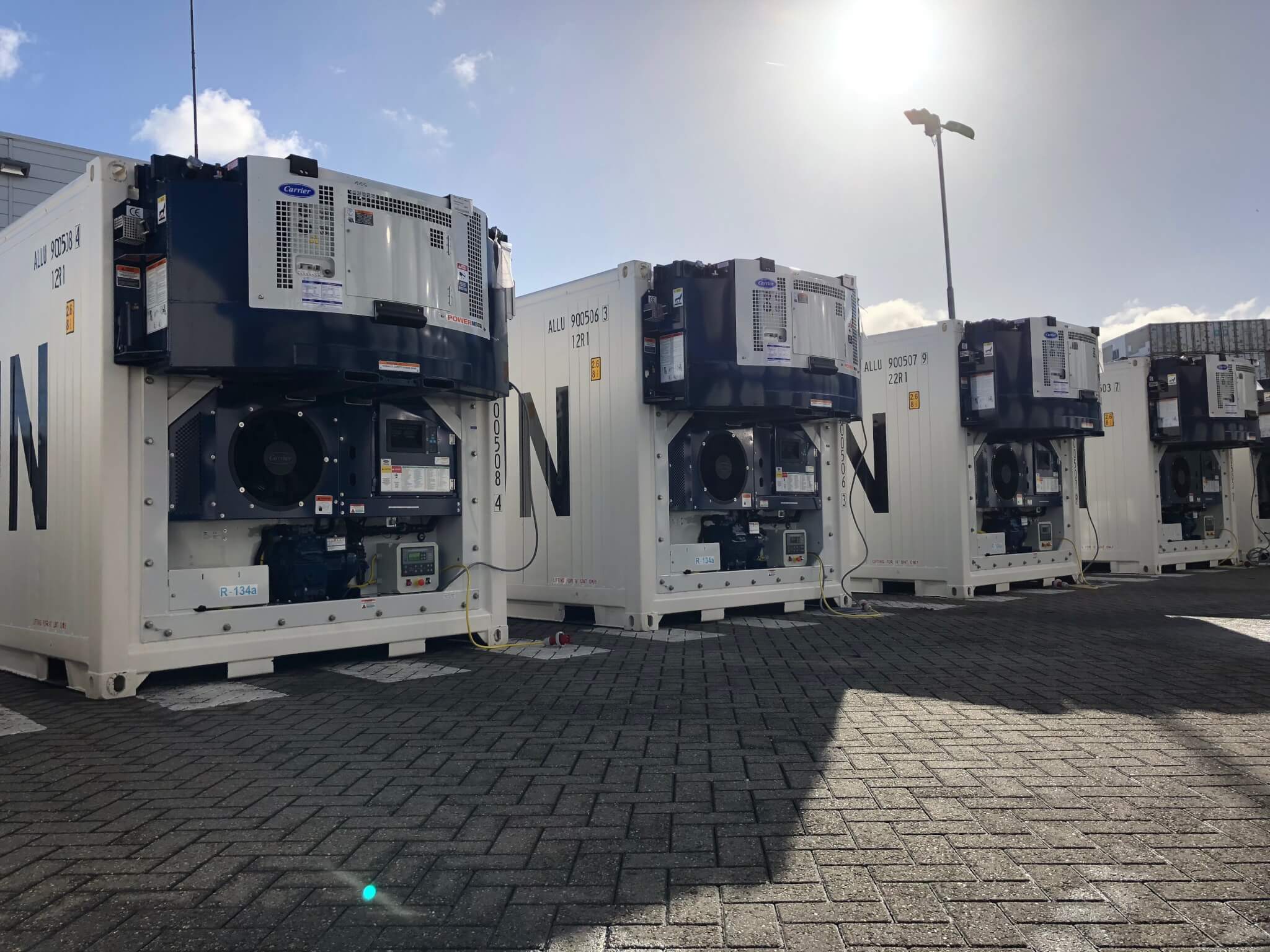
For international transport, reefer containers often require a generator set. These gensets provide power through a diesel or hybrid engine and are either clipped onto the container or mounted under a truck chassis. This makes reefer units especially relevant for Mediterranean and Middle Eastern routes, where external temperatures can put sensitive cargo at risk.
- Typical sizes: 20ft reefer, 40ft reefer high cube
- Typical cargo: food products, fruit, vegetables, dairy, pharmaceuticals, flowers
- Main advantages: active temperature control, ideal for perishables and warm climates
- Limitations: higher operating costs and power supply required
Typical sectors: food logistics, pharma, agriculture, export trade.
Alconet has extensive experience with reefer containers, reefer units and gensets, helping customers choose a reliable setup for transport, storage and export operations.
When do you choose a flat rack container?
Some cargo simply does not fit inside a standard container. Think of freight trucks, industrial equipment, construction parts or even complete yachts. In these cases, the flat rack container is the preferred solution.
Flat rack containers have fixed or collapsible end walls and no side walls, making them suitable for oversized, out-of-gauge and heavy cargo that must be loaded from the side or from above.
- Typical sizes: 20ft flat rack, 40ft flat rack
- Typical cargo: vehicles, pipes, machinery, project cargo, boats
- Main advantages: suitable for oversized cargo, flexible loading options
- Limitations: less protection against weather and external impact
Typical sectors: construction, offshore, heavy industry, project logistics.
Alconet supports customers worldwide with flat rack availability, practical loading advice and export-focused solutions for exceptional cargo dimensions.
What is a tank container?
Tank containers are a specialised type of shipping container designed for the safe transport and storage of liquids, gases and certain hazardous substances. Although their appearance differs from other container types, they use standardised container dimensions for intermodal transport.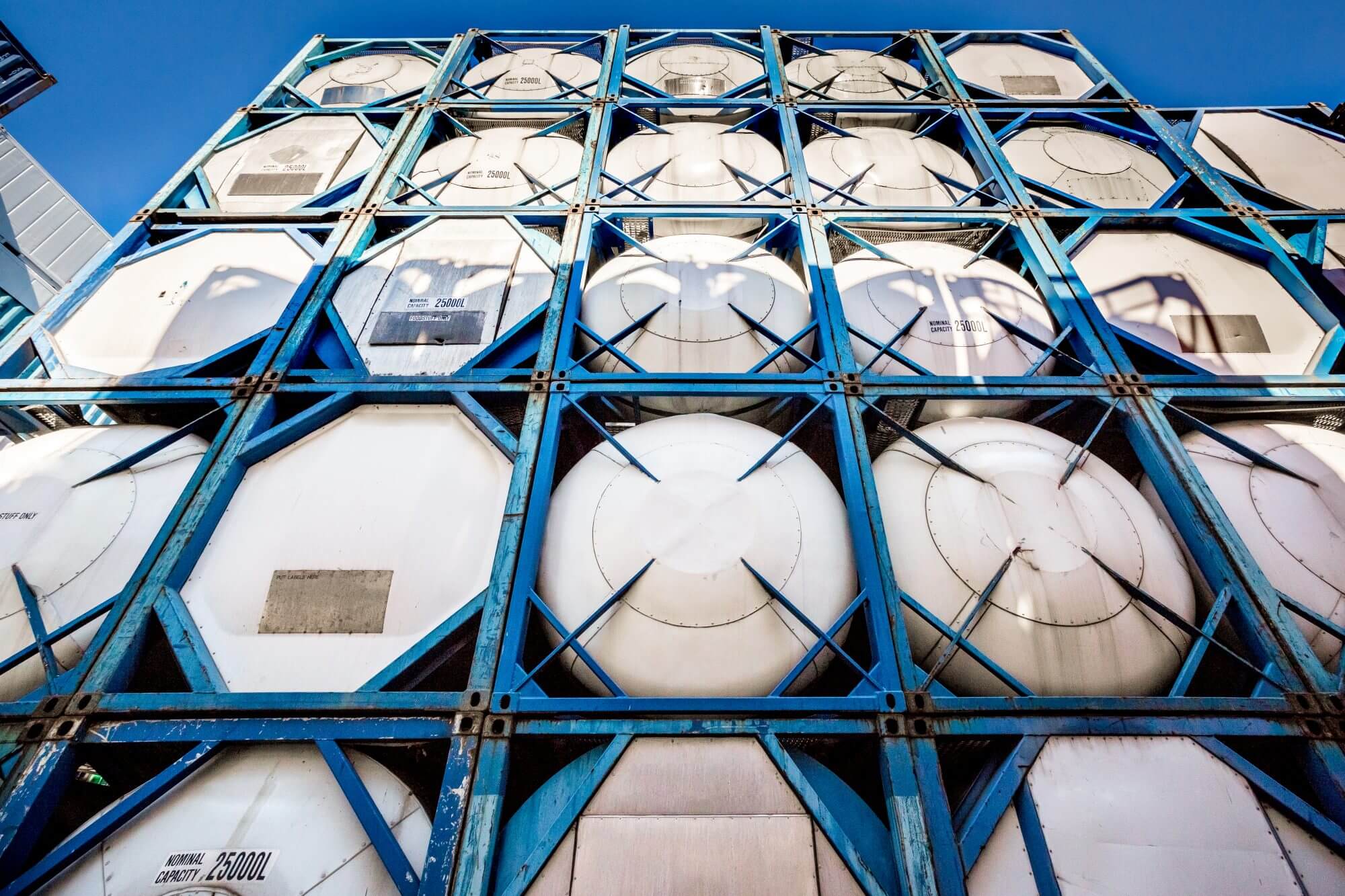
Tank containers must be inspected, cleaned and certified regularly. Labels and certifications indicate which substances can be stored or transported. Besides liquid cargo, tank containers are also used for flammable gases and specialist chemical products.
- Typical sizes: 20ft tank container
- Typical cargo: chemicals, liquid food products, fuels, gases
- Main advantages: safe and efficient bulk liquid transport
- Limitations: specialist handling, cleaning and certification required
Typical sectors: chemical industry, food processing, energy, industrial logistics.
Alconet helps customers source certified tank containers and supports international delivery through its global network.
What is an open top container?
Open top containers are designed for cargo that cannot easily be loaded through standard container doors. Instead of a steel roof, the container is covered with a removable tarpaulin, allowing loading from above.
This makes open top containers suitable for tall, heavy or awkwardly shaped cargo that requires crane loading. After loading, the container is covered securely for transport.
- Typical sizes: 20ft open top, 40ft open top
- Typical cargo: machinery, industrial components, stone, scrap metal, bulk cargo
- Main advantages: top-loading flexibility, ideal for high cargo
- Limitations: less protection than a fully enclosed steel roof
Typical sectors: mining, construction, industrial export, manufacturing.
Alconet offers open top containers for both storage and transport applications, with practical advice based on cargo dimensions and lifting requirements.
Shipping container dimensions and specifications overview
Below is a practical overview of common shipping container dimensions and approximate capacities. Exact specifications can vary by manufacturer and container condition.
| Container type | Common sizes | Internal length | Internal height | Approx. payload | Main use |
|---|---|---|---|---|---|
| Dry van | 10ft / 20ft / 40ft / 40ft HC | 2.84 m / 5.90 m / 12.03 m | 2.39 m / 2.39 m / 2.39 m | 8,000–28,000+ kg | General dry cargo |
| Reefer | 20ft / 40ft HC | 5.44 m / 11.56 m | 2.26 m / 2.50 m | 27,000–29,000 kg | Temperature-sensitive cargo |
| Flat rack | 20ft / 40ft | 5.94 m / 12.13 m | Open | 30,000+ kg | Oversized and heavy cargo |
| Tank container | 20ft | Approx. 5.90 m frame | Standard frame height | Variable by tank type | Liquids and gases |
| Open top | 20ft / 40ft | 5.90 m / 12.03 m | Open top / tarpaulin cover | Similar to dry van | Top-loaded cargo |
“`
Why choose Alconet Containers?
Alconet Containers combines practical experience with a strong international delivery network. With container depots covering 90,000 m² in the Port of Rotterdam, we can support customers with fast delivery, inspection, repair and modification services.
We deliver containers worldwide, with strong activity across Europe and the Middle East. Whether you need a dry van for general cargo, a reefer for temperature-sensitive goods or a flat rack for project cargo, our team helps you select the most suitable solution.
- Fast quotations
- Personal advice from container specialists
- Worldwide delivery options
- Support for rental, sales, repair and modification
Related services: request a quotation, container rental, repair and container modification.
FAQ about types of shipping containers
“`
What is the difference between a reefer and a dry van container?
A dry van container is used for standard dry cargo and has no active cooling system. A reefer container has built-in temperature control for perishable or temperature-sensitive goods.
Which container do I need for oversized cargo?
For oversized or out-of-gauge cargo, a flat rack container is usually the best option. An open top container can also be suitable when cargo needs to be loaded from above.
Can I rent a shipping container instead of buying one?
Yes. Depending on availability and project requirements, Alconet can support both container sales and rental solutions.
Which container is best for warm climates?
For goods that must remain within a controlled temperature range in hot regions, a reefer container is the best choice.
Are shipping container dimensions always the same?
Standard container types follow ISO-based dimensions, but exact internal measurements and payload can vary slightly by manufacturer, age and container model.